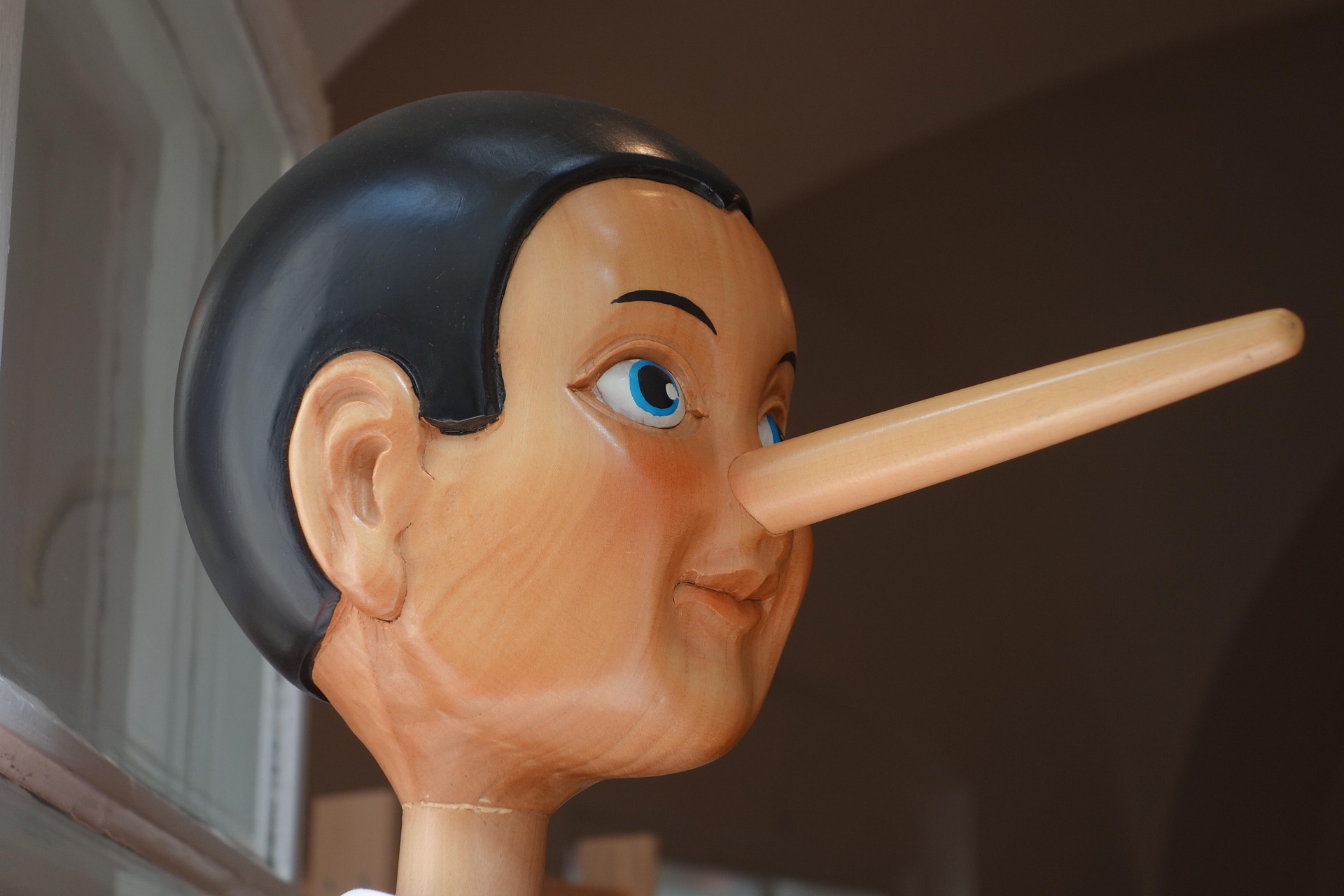
One of the strangest things about writing romance is how often the most important moment in a story isn’t when someone confesses love.
It’s when someone lies.
Not the dramatic kind. Not the villain twirling a moustache kind. I mean the small lie that slips out because the truth feels too dangerous to say.
“I’m fine.”
“It doesn’t matter.”
“You should go.”
Readers recognise those lies instantly because they’ve said them themselves.
And that’s where romance gets its real tension.
The Protective Lie
Most romance characters lie for protection.
Sometimes they’re protecting themselves. Sometimes they’re protecting the other person. Sometimes they don’t even realise they’re doing it.
A character says they don’t care. But they show up anyway.
They insist everything is casual. But they notice every detail.
Writers often try to remove these contradictions in revision. We tidy the dialogue, make motivations clearer, smooth out emotional confusion.
But those contradictions are the story.
If two characters were perfectly honest from page one, the book would be about twelve pages long.
The Reader Knows
The interesting thing about lies in romance is that the reader almost always sees through them.
That’s the trick.
The character says one thing, does another, and the reader sits in that delicious tension between the two.
This is why subtext matters so much. When dialogue says one thing and behaviour suggests another, the emotional charge multiplies. I talked about this more in [Subtext & Silence: Writing What Isn’t Said in Romance] (https://www.contemporaryromancewriters.com/subtext-silence-writing-what-isnt-said-in-romance/) where small gestures and pauses often carry more meaning than the dialogue itself.
The lie becomes the surface layer.
The truth leaks through everything else.
Lies That Reveal Love
A good romance lie usually contains a piece of the truth hiding inside it.
“I don’t want to complicate things.”
(Meaning: I care more than I should.)
“You deserve someone better.”
(Meaning: I’m terrified you’ll realise I’m not enough.)
“I’m not jealous.”
(Meaning: I noticed everything.)
Those lines work because readers recognise the emotional math happening underneath.
Romance thrives in that space where two people are technically talking but emotionally translating each other.
Language itself often becomes part of that tension. When people struggle to say exactly what they mean, emotion shows up in the gaps. That’s something I wrote about in The Power of Language in Love Stories (And Why I’m Learning Spanish), where miscommunication and hesitation become part of how intimacy forms.
Sometimes the wrong words reveal the right feelings.
The Moment the Lie Breaks
Every romance eventually reaches the moment when the lie stops working.
Not because someone exposes it.
Because the character can’t maintain it anymore.
Maybe they say too much.
Maybe they show up when they promised they wouldn’t.
Maybe they do something small and irreversible that gives the truth away.
And suddenly the lie collapses.
Those scenes rarely need big speeches. Often the most powerful version is quiet.
A pause.
A look.
A simple line that changes everything.
“You knew, didn’t you?”
That’s the moment readers have been waiting for the whole time.
A Simple Exercise
If you want to test this in your own writing, try something small.
Write a scene where a character says they don’t care about something.
Then write the next paragraph showing exactly how much they care.
No explanation. No internal monologue.
Just behaviour.
You’ll be surprised how quickly the emotional tension appears.
Because romance isn’t built on perfect honesty.
It’s built on the slow, terrifying process of two people realising the lie isn’t protecting them anymore.
And deciding to tell the truth anyway.