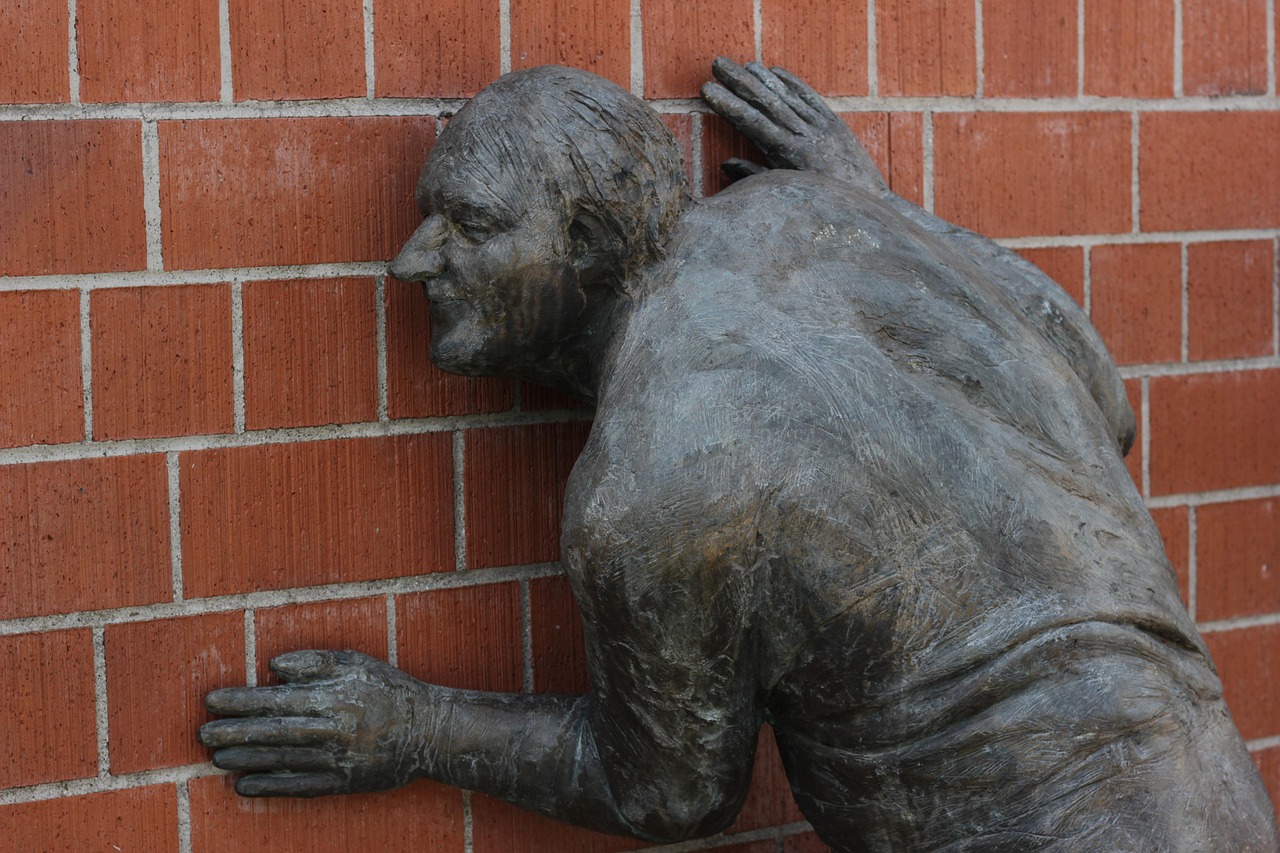
I cut a breakup scene last week that used to run three pages. I left one line, a squeezed hand, and the sound of a chair not pushed fully back. The scene started breathing. The relationship felt older, more private, more inevitable. That’s the thing about subtext. It lets the reader do half the work and feel twice the intimacy.
Why subtext works in romance
Readers want to participate. When you don’t spell everything out, they start inferring motive and history. That creates ownership. It also mirrors real life. Couples rarely narrate their feelings in bullet points. They delay, dodge, undercut, joke, change the subject, notice a stain on a shirt instead of the thing that really hurts. Subtext captures the lived mess of closeness: what you can’t say yet, what you won’t say, and what you hope the other person hears anyway.
Where silence hides (and how to use it)
- Beats. The breath before a reply, the sip of water, the thumbed glass rim. Beats are tiny delays that carry meaning.
- Body tells. Shoulders angled toward the door. A laugh that lands short. Hands cleanly folded when this character is never neat.
- Objects. The mug she always steals. The key he leaves on the table on Tuesdays. Objects can hold shared history without a lecture.
- Setting. Let place carry the unsaid. Street noise swallowing a confession. A train announcement cutting off “I—”. Weather can be cliché if leaned on too hard, but a sudden shadow from passing clouds is a decent ally.
- Time. Arriving five minutes early or ten minutes late is subtext. So is the unanswered text that waits three blue dots and then nothing.
On-the-nose vs. subtext: a quick before/after
On-the-nose:
“I am angry you missed dinner. It makes me feel unimportant.”
With subtext:
“They were out of the special by the time you got there,” she says, folding the receipt into a hard square.
“I didn’t know there was a special.”
“Right.” She tucks the square under the salt shaker like it might wriggle free.
Same information lands, but the second version invites the reader to connect the dots and side with someone, which is the oxygen of romance.
Dialogue moves that build subtext
- Answer the question next to the question.
“Did you talk to her?” becomes “She was already leaving.” - Echo with friction.
“I’m fine.” / “You’re fine.” lets tone do the talking. - The third thing.
When tension spikes, have a character talk about something irrelevant and specific: a crooked picture frame, the neighbor’s basil. The contrast sharpens what’s really happening. - Let silence win.
A character can choose not to answer. Put the choice on the page with a beat the other character notices.
Page mechanics that carry meaning
- White space. Short paragraphs, a single sentence alone on a line, a line break before the kiss that doesn’t come. White space is a pause the reader feels.
- Punctuation restraint. Exclamation points feel like shouting. If you’re using them to make emotion land, your subtext probably isn’t doing enough.
- Names. Switching from “hey” to “Ava” halfway through a scene says “this matters.”
- Repetition with shift. The same line twice, second time softer or clipped, tells a story of erosion or resolve.
The consent line (and how to keep it clear)
Romance relies on tension, not confusion. Subtext should never muddy consent. If your beats imply “no,” let your explicit text confirm that boundary. Use interiority ethically: we can know a character’s conflict without disguising their agency. Where silence is unsafe in real life, make the fiction responsibly explicit.
Micro-tension checklist for revision
Run this pass on a finished scene and see what opens up:
- Have I written the feeling instead of letting the action imply it?
- Do at least two lines of dialogue carry meanings that don’t match the words?
- Is there a beat where one character decides not to say the thing?
- Did I give the reader a textured object or place detail that carries history?
- Is there one small contradiction in behavior that hints at a buried need?
- Can I replace one sentence of summary with one action that hurts a little?
A mini scene you can steal and adapt
On-the-nose draft:
“I’m jealous of your ex,” he says. “I hate that you still have photos up. It makes me feel insecure.”
Subtext draft:
He stops in the hallway where the frames lean like they’re mid-argument.
“You’re really into black and white.”
“They were a gift.”
“From your friend.”
“From a while ago.”
He straightens a picture that wasn’t crooked.
Notice the last line shifts from talk to touch. He tries to fix the frame instead of the feeling. That’s subtext doing its job.
Using setting-as-subtext without clichés
- Crowded bar with poor acoustics. Force close distance. Let mishearing do the work.
- Supermarket at closing. Fluorescents, empty shelves, last-minute choices. Practical stakes mirror emotional ones.
- Museum on a free day. Bodies between them, and then a moment in front of something both of them pretend not to like.
- Kitchen at midnight. The refrigerator hum becomes an awkward third person.
Common pitfalls (and fixes)
- Vagueness. Subtext isn’t fog. If your beta readers are lost, add one anchor beat that pins the scene’s direction.
- Overloading props. Not every object is a symbol. Pick one and let it carry weight.
- One-note withholding. If a character always avoids, the reader stops trusting them. Show moments of honest spill to balance restraint.
- Tone whiplash. Snark plus high-stakes confession can work, but you need a tiny hinge between them: a breath, a glance, the “are we really doing this” shift.
A practical revision ladder
- Highlight direct statements of feeling. Circle “I’m scared,” “I love you,” “That hurt.”
- Replace one in three with action or beat. Keep the key declaration clean for later. You’re not banning direct speech, you’re saving it.
- Trim explanation after strong lines. If a line lands, resist explaining it. Trust the reader.
- Add one non sequitur. A specific, grounded one. The sports scores text in the middle of a fight. The cat pawing at the door.
- Name the unsaid in your own notes, not on the page. Clarity for you, discovery for the reader.
Heat without volume
Slow burn isn’t about slow pacing, it’s about efficient charge. The leaner the line, the more the reader leans in. Let the scene collect small static: an unfinished sentence, a touch that almost happens, a smile that doesn’t go all the way up. Stack three of those and you’ve built a fuse.
Try this exercise tonight
Write a two-page scene where one character needs to say “I miss you” and never does. Give them an object to handle. Change the lighting once. Let someone else enter the scene for exactly two lines and leave. End on a choice, not a speech.
That’s it. Not a new trick, just an old one used with care. Say less. Let the room speak. Trust your reader to hear the thing you didn’t write.