There’s a particular corner in Seville — just past where Calle Mateos Gago spills into the orange-tree square — where I once sat with a notebook, a paper cup of vermut, and the kind of stubborn heartbreak that wouldn’t quit politely. I wasn’t writing romance that day. I was writing a fight scene, actually — two people in love but furious, speaking over each other in a kitchen they both claimed to own. But when I reread it later, it didn’t work. Not because the dialogue was wrong, but because it floated. It could’ve been set anywhere. And for these two, “anywhere” wasn’t enough.
The mistake wasn’t the words. It was the absence of place.
I think romance set in a vacuum can still be good — some of it’s even excellent — but I don’t believe it can be unforgettable. For that, the place has to matter. Not just as backdrop. But as witness. As obstacle. As accomplice. As character.
When I think about my favourite books — the ones I reread and reread until the pages look like they’ve been kissed too much — the settings aren’t just places. They want things. They get in the way. They seduce and disrupt. They carry memory. They change shape under pressure.
Emily Henry does this all the time. Think of the beach town in People We Meet on Vacation. Or the Midwestern houses in Book Lovers, standing with quiet resentment while a character tries to rewrite her story. These aren’t postcards. They’re emotional architecture.
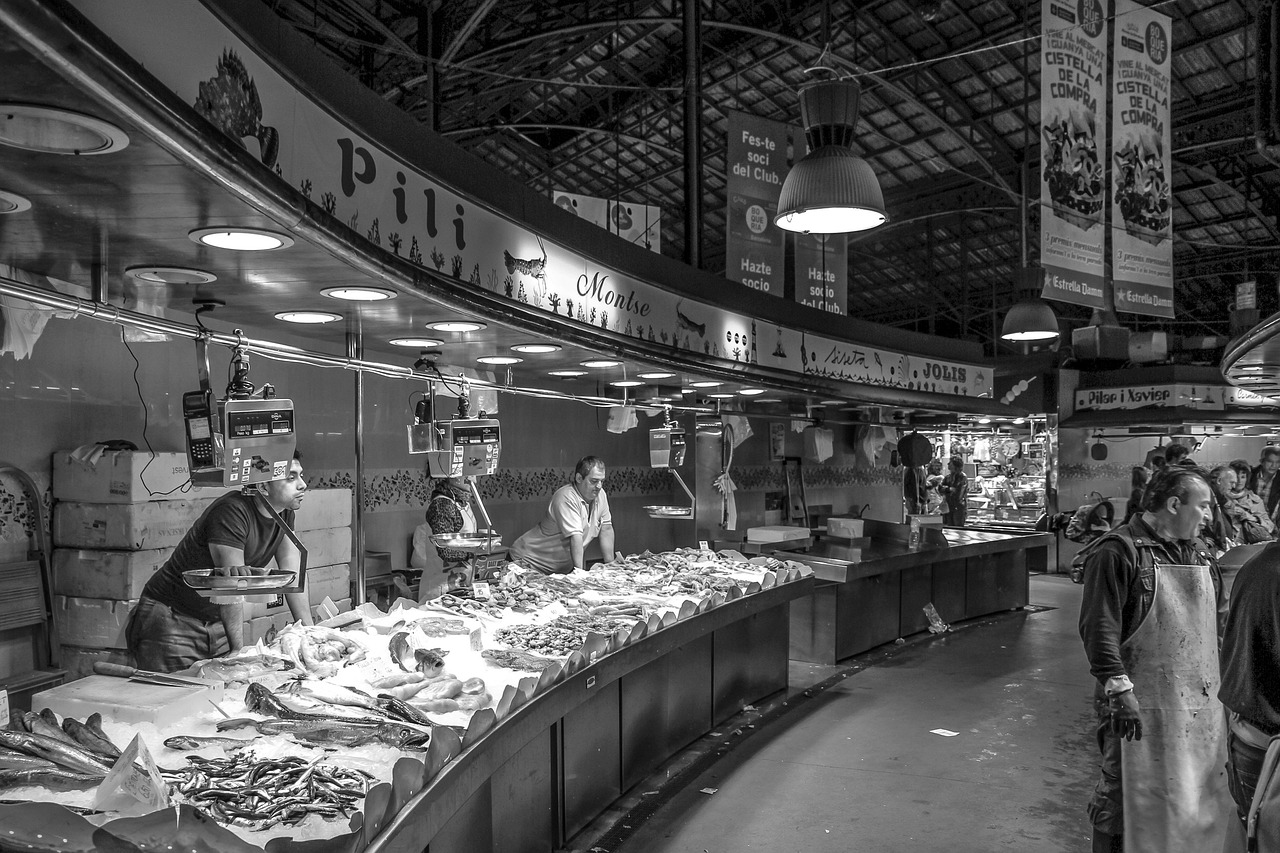
I tried to do that once in a scene I set in the Mercado Central of Valencia. My main character had just decided to stay in Spain permanently, but couldn’t admit it to herself yet. So instead of dialogue, I wrote the scene entirely through the crowd. The stall vendors yelling prices. The glint of jamón knives. The slap of fish on stone. She was overwhelmed by it — not scared, but exposed. And somewhere in that chaos, she started to feel less like a visitor and more like someone learning the rules.
That scene taught me something I now write on a sticky note above my desk:
“Where they fall in love should ask something of them.”
Sometimes that “something” is patience (a small town with no bus route). Sometimes it’s humility (a high-rise apartment that echoes with someone else’s past). Sometimes it’s just presence. That slow, sticky, sensory weight of a place demanding to be noticed.
I think we often forget that setting is where the emotional weather gets forecast. A stormy sky does half the work of a confession. A sudden power cut does the rest.
And in romance — where tension lives in silences, in hesitation, in the in-between spaces — place becomes the thing that knows before the characters do. The room where they almost touch. The alley where they look back. The train station that doesn’t wait.
So now, when I start a new project, I don’t begin with the meet-cute. I begin with the place. I ask what kind of love this setting would allow… or sabotage. I think about the walls, the roads, the temperature. About where my characters sit when they’re not speaking. About how it smells in the morning.
Because sometimes, the truest love stories aren’t just about people finding each other.
They’re about people fitting into a world that suddenly feels like it was waiting for them.