I used to rush them.
Not the drafts, exactly — I could spend months on a sentence if it suited me — but the people inside them. The characters. I rushed them into confessions. Into bed. Into longing that hadn’t had time to ache properly. I mistook pacing for indulgence, and tension for delay. I wanted to get to the kiss. The climax. The thing I thought the reader came for.
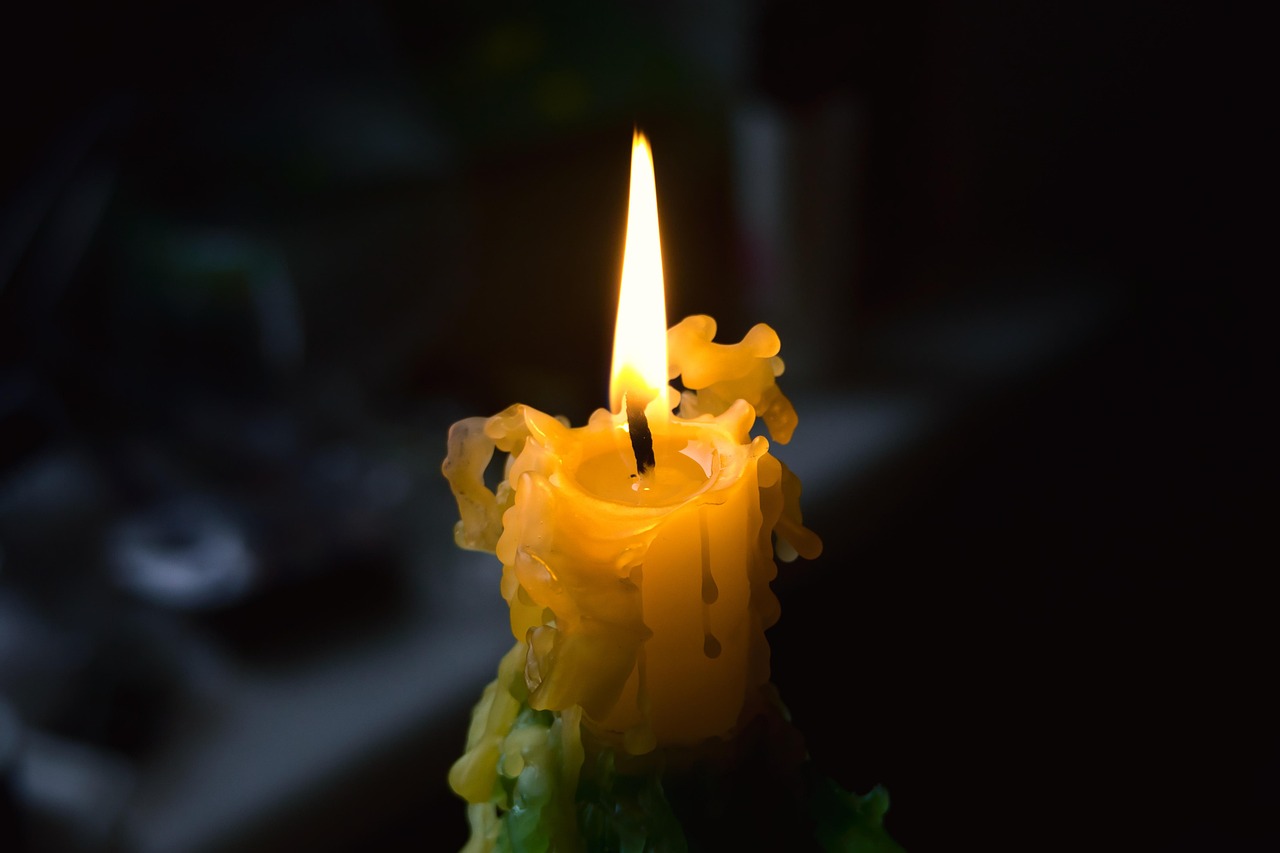
And then I read The Wall of Winnipeg and Me. I stayed up until 3:42 AM, in a city I didn’t like very much, aching over two people who barely touched. Who barely spoke half the time. And when they did finally, finally find their way toward each other — it didn’t feel like a reward. It felt like something earned. Like watching a flame become its own light source after surviving every gust of wind you threw at it.
That’s the difference, isn’t it? The fast burn gives you fireworks. The slow burn teaches you how to warm your hands.
Now I write love stories like they’re endurance events. I let them simmer. Let attraction mutate into distraction, then resentment, then that weird middle-ground where your main character starts hating how much they like this person. And then, only then, something shifts. Not the kiss. Something smaller. He brings her soup. She deletes a dating app without admitting why. They stop making eye contact… or start doing it too much.
I write these things with restraint. Or I try to. I don’t always succeed. Sometimes I give in and let them kiss in chapter seven just to see what happens. Sometimes they sleep together early and then spend the rest of the novel trying to deny it meant anything. But when I manage to hold back — when I really stretch the longing until it makes me uncomfortable — the payoff is always sharper. Less sweet. More earned.
Because slow burn isn’t just a structure. It’s an emotional apprenticeship. It asks your characters to change, to recalibrate their internal narrative before they can surrender to someone else’s.
It’s about watching someone go from mild irritation to fierce protectiveness without even realizing it.
It’s the guy who goes back to the restaurant where she cried.
It’s the woman who learns how to make his coffee just right and still pretends she doesn’t know.
It’s silence that says more than flirting ever could.
I think this is why slow burn works so well in books and so rarely in life. In fiction, we have the privilege of knowing what’s underneath. The subtext. The withheld thoughts. The yearning. In real life, silence just feels like avoidance. But in fiction — oh god, in fiction — silence is everything.
I write slow burn now not because it’s trendy, or satisfying, or cleverly paced.
I write it because it feels honest.
Because most people I’ve loved didn’t arrive with fanfare. They crept in. Through tiny gestures. Through long conversations that turned into small dependencies. Through the days I stopped checking my phone because I already knew they’d call.
Slow burns don’t just end in kisses.
They end in recognition.